
Saturday morning. The game’s on, it’s tight, and the ball’s at your player’s feet near your own goal. Before you’ve even thought about it, you’ve shouted it: “GET RID OF IT!”
We’ve all done it. The touchline gets the better of the calmest of us. You want them to do well, you’re wrapped up in the moment, and the words are out before your brain catches up.
But young players hear everything. Your voice carries further than you think, and the things you shout in the heat of a game shape how kids play far more than any team talk. Most of it comes from a good place. Some of it, without meaning to, holds them back.
Here are five of the most common ones, and what’s worth saying instead.
1. “Get rid of it!”
It’s the most natural shout in grassroots football, and it teaches exactly the wrong thing.
“Get rid of it” tells a young player that the ball is a problem to panic over, not something to enjoy having. Kids who hear it every week learn to hoof it clear the second it arrives, rather than take a touch, look up, and try to play. That composure is the very thing that makes good footballers, and panic is the first thing to kill it.
Try instead: “You’ve got time.” Give them permission to keep the ball and make a decision, even when it doesn’t always come off.
2. “Man on!”
This one feels helpful. It isn’t.
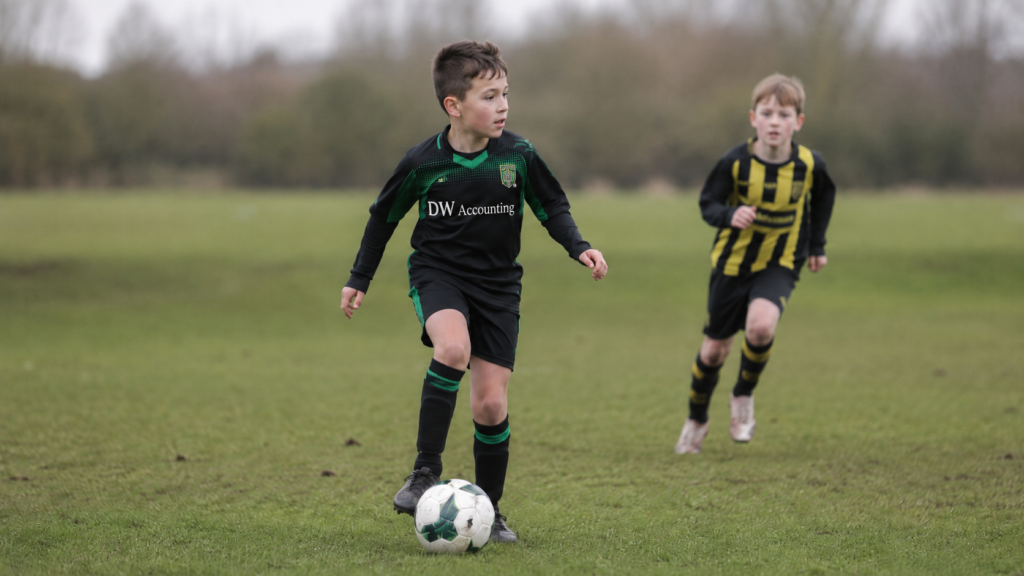
When you call out every bit of danger, you become the player’s eyes for them. They stop scanning, stop thinking, and start waiting for the next instruction from the sideline. It’s sometimes called joystick coaching, and it produces players who can’t solve anything for themselves the moment the shouting stops.
Try instead: stay quiet and let them look up and work it out. They’ll get it wrong a few times now and right for years to come. Save your praise for when they spot the danger themselves.
3. “What was that?!”
Nobody sets out to dent a kid’s confidence. But the groan, the head in the hands, the “oh, come on” after a loose pass all land on a child who already feels rotten about giving the ball away.
Young players who feel judged for mistakes start playing not to lose. They hide. They take the safe option every time and stop trying the brave, difficult things that actually help them improve. A misplaced pass is how they learn. Your reaction decides whether they try it again.
Try instead: “Good idea, try it again.” Reward the attempt, not just the outcome.
4. “Just win it”
At youth level, the scoreline is the least important thing on the pitch, even if it rarely feels that way on a Saturday.
Kids coached to win at all costs learn that the result matters more than they do. The ones who stay in football are almost never the ones who won the most at U9s. They’re the ones who enjoyed it, felt supported, and were allowed to develop without the weight of the scoreboard on their shoulders.
Try instead: notice the effort. “Brilliant tackle.” “Love that you tried that.” Praise the things you actually want to see more of.
5. “Why didn’t you shoot?”
Questioning a young player’s decision in the moment, however gently you mean it, tells them their choice was wrong and yours was right.
Do it often enough and they stop backing themselves. They start glancing at the touchline before every decision, looking for approval instead of trusting what’s in front of them. Confidence is fragile at this age, and second-guessing chips away at it one shout at a time.
Try instead: let it go in the moment. If it’s worth revisiting, ask them afterwards: “What did you see there?” You’ll learn how they think, and they’ll learn that you trust them.
Better habits start in training, not on match day
There’s a limit to what the touchline can fix. You can’t undo in ninety minutes what you build over a season of sessions.
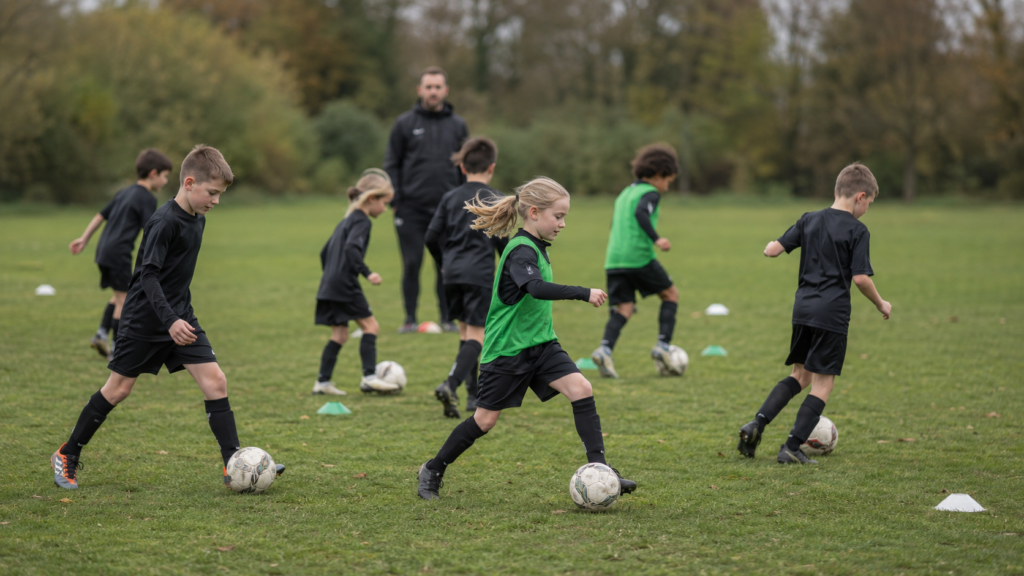
Composure, good decisions, the courage to try things: none of it turns up on a Saturday by accident. It’s built in training, week after week, through sessions that let kids get plenty of touches, make their own choices, and get comfortable on the ball long before the pressure of a game.
That’s what Coaches Stack is built for. Hundreds of drills and games, plus ready-made session plans designed to develop confident, thinking players, so that when Saturday comes you can stand back, stay quiet, and let them show you what they’ve got.
Say less. Let them play. You’ll be surprised what they do when they’re not waiting to be told.